Dementia Care Done Right: Choosing a Memory Care Home with Purposeful Engagement
Business Name: BeeHive Homes of St George Snow Canyon
Address: 1542 W 1170 N, St. George, UT 84770
Phone: (435) 525-2183
BeeHive Homes of St George Snow Canyon
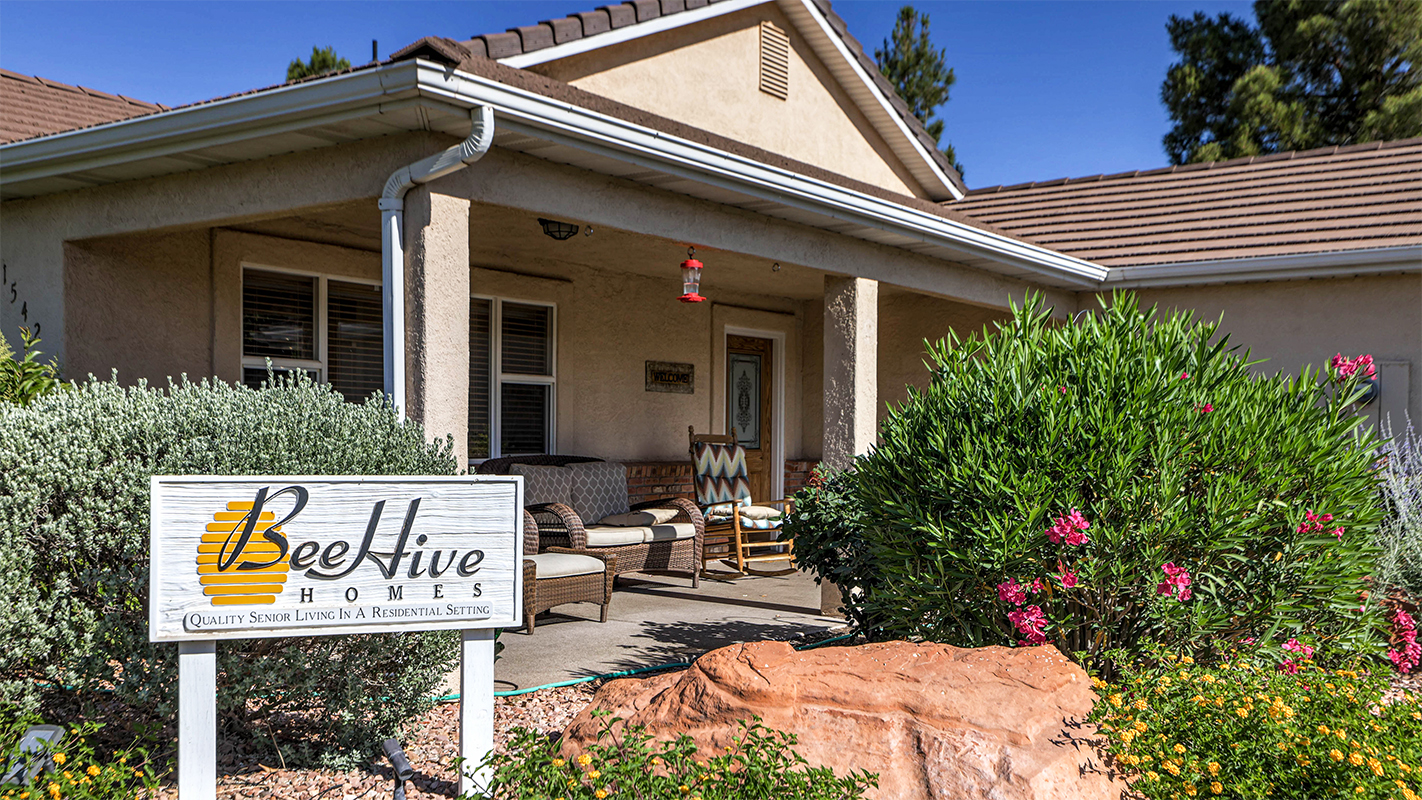
Located across the street from our Memory Care home, this level one facility is licensed for 13 residents. The more active residents enjoy the fact that the home is located near one of the popular community walking trails and is just a half block from a community park. The charming and cozy decor provide a homelike environment and there is usually something good cooking in the kitchen.
1542 W 1170 N, St. George, UT 84770
Business Hours
Families hardly ever plan for dementia. The diagnosis shows up in the kind of duplicated mislaid keys, a range left on, a voice that as soon as commanded details now groping for them. You begin patching holes with a pillbox, a door chime, calendar pointers. Then the spaces widen. Nights stretch long and nervous. A fall, a roaming episode, or ruthless caregiver fatigue moves the discussion from coping in your home to exploring a memory care home. That search can feel like walking into a labyrinth of comparable smiles and glossy sales brochures, where every neighborhood says the exact same four words: safe, caring, engaging, dignified.
The distinction in between guarantees and practice shows up every day at 10:30 a.m., or 2:15 p.m., or when a resident wakes at 3 a.m. And wants to go to work since his mind is in 1974. Purposeful engagement is not a line item on a calendar. It is the heartbeat of good dementia care, the reason a resident gets out of bed, consumes, smiles, and feels seen. Picking a neighborhood developed around that heart beat needs more than comparing chandeliers and yard respite care pictures. It needs understanding what to search for, what to ask, and how to check out the subtle hints that reveal the truth.
What purposeful engagement truly means
I have actually viewed a female with late-stage Alzheimer's transfixed by the feel of warm towels. She folded and refolded them, then laid them out with solemn care. Ten minutes later on, as the towels cooled, her attention slipped. The nurse took the towels away, warmed them once again, and set them back in front of her. The resident sighed with relief and continued. That is purposeful engagement for someone whose world has actually shrunk to touch and pattern. It draws on maintained capabilities, appreciates individual history, and adapts without scolding or forcing.
Purposeful engagement is not busyness. Coloring sheets can be great, but if they are parked in front of everybody every day at 10:00, that is programming for the staff's schedule, not the citizens' needs. True engagement utilizes the retained neural pathways we understand typically persist longest in dementia: music memory, procedural memory, psychological memory, and sensory preferences. It also flexes to the hour, the individual, the day. A veteran may come alive folding flags or listening to march music. A retired primary instructor might find calm setting out crayons and erasers. A previous gardener might settle only when hands are in potting soil.
Homes that do this well hardly ever depend on a single activities director. Every employee, from graveyard shift to culinary, comprehends that engagement is their job. The kitchen area group may hand a resident a whisk and request assistance. Housemaids may welcome someone to match socks. The receptionist might offer mail to sort, even if the envelopes are blank. This shared mindset turns routine minutes into touchpoints of purpose.
The research study behind engagement and daily function
We do not have to think about the benefits. In numerous observational studies throughout assisted living and skilled nursing settings, residents with dementia who receive at least 60 to 90 minutes of customized activity spread throughout the day show less behavioral expressions like agitation and pacing, require less as-needed sedatives, and preserve much better consuming patterns. Decreases in antipsychotic usage by 10 to 20 percent have actually been reported when programs are redesigned around resident histories and choices. Staff injury rates likewise decrease when distressed behaviors are dealt with proactively with engagement rather than only with redirection or medication.
Ask any experienced nurse and you will hear it in plain terms: when individuals have a reason to rise, they do. When they feel acknowledged, they eat. When music from their teens plays softly before dinner, they do not swing at the spoon.
A calendar tells you something, however culture informs you more
Families typically fixate on activity calendars. They are not ineffective, but they can misguide. A calendar filled with getaways implies nothing if your parent can not tolerate bus rides. Chair yoga three days a week is excellent, unless nobody in fact brings your father to the class, he declines, and no one has a plan B beyond letting him nap.

What you wish to see instead is a pattern of small, adaptable interactions threaded through the day. Throughout a tour, view what happens between scheduled events. Does a team member time out to look a resident in the eye and state their name? Is there a basket of headscarfs or hand towels in the living-room for spontaneous folding? Do you hear a resident's preferred vocalist in their space, not just in the common area? A memory care home that deals with engagement as oxygen, not home entertainment, will reveal it in the joints, not just in the front-of-house performances.
Staffing that sustains engagement, not simply coverage
Ratios matter, however context makes them significant. A published ratio of one caretaker for every single 6 homeowners can produce outstanding care in a stable, properly designed system where the nurse, assistants, and activities staff share responsibilities and understand homeowners deeply. The very same ratio can seem like continuous triage in a large, inadequately laid-out building with frequent firm staff who do not understand the homeowners' patterns.
Ask about shift overlap. Ten to fifteen minutes of overlap at modification of shift can make or break connection. Concern the percentage of agency or float staff in the memory care community. High agency usage erodes the relationships that underpin customized engagement. Explore training beyond the state minimum. Look for programs that consist of hands-on dementia care approaches such as Teepa Snow's Favorable Approach to Care or Montessori-based activities, paired with monitored practice and mentoring, not just slide decks.
Watch for how the nurse and caretakers communicate. Do they carry assignment sheets that note resident preferences, triggers, and successful approaches, updated weekly? I have seen simple one-page profiles cut through months of experimentation. For example: "Mr. J. Withstands showers in the early morning, do sponge baths before lunch, prefers warm washcloth on neck initially, provide option of 2 shirts laid out on bed, play Sinatra gently before care." These micro strategies are engagement in camouflage, and they preserve dignity.
Environment that hints independence
The physical design either supports or undermines engagement. A good memory care home undercuts confusion with clear cues. Hallways must have visual landmarks, not uniform hotel design. Customized shadow boxes by each door help citizens discover rooms. Toilets visible from the bed or with contrasting seat colors improve continence. Kitchens available to the typical area invite spontaneous help with safe, staged jobs like tearing lettuce, stirring batter, or buttering rolls.
Noise management is another tell. The worst systems I have actually gotten in had blaring televisions tuned to daytime talk programs and a continuous beeping of alarms. The very best seemed like a home: soft conversation, water running, somebody humming. Lighting is warm, not severe. Glare and dark patches are reduced. Outdoors space is secure and truly functional, with looped walking courses and benches in both sun and shade. Locals should be able to go out without waiting for a staff escort each time, otherwise "fresh air" happens two times a week at 3 p.m. On the calendar and never when an uneasy resident actually requires it.
The rhythm of a day that appreciates the disease
Dementia does not keep lender's hours. Sundowning is genuine for many, not all. The supper hour can be treacherous. Good programs purposefully stack helpful engagements in the late afternoon: peaceful music, hand massage, folding warm laundry, sorting large-picture recipe cards, or setting tables. The idea is to shift uneasy energy into tactile, calming tasks.
Mornings frequently bring much better cognition. That is the time for bathing, medical appointments, more complicated jobs like baking or group reminiscence with images. Naps are not sin, they are technique. Residents who sleep early afternoon can deal with the night better. None of this needs pricey equipment, just attention and a desire to tailor.
Night shift matters. I ask to see what happens at 2 a.m. Will a resident who is up and pacing be provided a warm beverage and a place to sit with a staff member, or be told repeatedly to go back to bed up until agitation intensifies? Frequently the distinction in between a quiet night and a 911 call is a ten minute conversation and a peanut butter cracker.
Assisted living versus a devoted memory care home
Many assisted living neighborhoods promote dementia care within a larger structure. Some run truly specialized neighborhoods with qualified personnel, safe and secure outside areas, and tailored shows. Others simply provide more guidance behind a keypad without adapting the environment or staff training. A devoted memory care home tends to construct whatever around cognitive loss: shorter hallways, smaller sized resident groups, color-contrast style, and personnel who rarely float to other care levels.
The right choice depends on the resident's profile. For somebody with moderate to moderate problems, maintained mobility, and strong social skills, a well-supported assisted living environment with dedicated memory programs can be perfect. For someone with exit looking for, high anxiety, sleep-wake turnaround, or complex behavioral expressions, a specialized memory care home normally provides the safety and personnel proficiency needed to maintain lifestyle. The key is not the label on the sales brochure however the fit between your individual's needs and the neighborhood's true capabilities.
What to ask and observe on a tour
- Show me how you personalize day-to-day engagement for three different homeowners. Select one who chooses to be alone, one who is restless, and one who is nonverbal.
- How do you deal with a resident who refuses group activities? Give me an example from the last week.
- What do nights appear like here between midnight and 5 a.m.? Who is awake, and what is available to residents?
- How do you train new staff in homeowners' life histories and preferences, and how quickly?
- May I examine the other day's shift notes or engagement logs, with names redacted, to see how typically and how particularly staff document what worked?
A strong team will not be tossed. They will have stories, not mottos. They will speak about Mrs. L. Who loves to "help" count flatware, or Mr. A. Who relaxes with hand rubs and Johnny Cash, and they will tell you what they tried when something did not work.
Subtle warnings that forecast disappointment
- The activity calendar looks packed, but you see locals dozing in wheelchairs in front of a television through the majority of your visit.
- Staff can not call preferred foods, music, or regimens for a minimum of half the residents nearby, even after working there for months.
- Most engagements need citizens to come to a space at a fixed time, with little noticeable effort to bring the activity to the resident.
- Explanations for distress lean heavily on labels like "aggressive" or "noncompliant" rather than analysis of triggers and adjustments tried.
- You hear "we're brief today" as a blanket reason for skipped baths, missed out on strolls, or no time at all for conversation, and no one explains a backup plan.
These signs often tell you about culture and concerns. Occasional brief staffing is truth. Chronic disengagement is a choice.
The care strategy that lives off paper
Every resident has a care plan someplace in a binder or digital chart. In fantastic communities, that strategy is alive. It drives the grocery list. It changes the music playlist in the late afternoon. It forms how personnel approach a bath. Try to find proof that updates occur as habits modifications. If a female begins resisting showers, did the plan move the time of day, attempt towel baths, include lavender lotion after care, or provide a favorite cardigan as a "reward" instantly after? If a crossword lover stops joining word games, did personnel switch to large-font word tiles, easier categories, or individually matching tasks?
Plans should also account for cycles in conditions that frequently accompany dementia. Pain from arthritis spikes engagement needs, so care plans that incorporate set up acetaminophen before activities can make the difference between success and refusal. Constipation can masquerade as agitation. A savvy group will begin with a bowel check before assuming a psychiatric cause.
Managing risk without smothering life
Families naturally fear falls. Companies fear them too, often to the point of inactiveness. However over-restricting movement leads to deconditioning within weeks. A better method mixes layered safety with continued motion. That might indicate hip protectors for a frequent faller, purposefully placed durable furniture to grab, a carpet with low stack and clear edges, and supervised "strolling circuits" after meals when a resident is most agitated. It may likewise mean accepting that a fall with a swelling is statistically less damaging than weeks of sitting, which brings pressure injuries, infections, and lost appetite.
Technology can assist, however it is not a remedy. Door sensors, wearable roam alerts, and pressure mats can offer backup. Video tracking in common areas can support review after occurrences. However none of it replaces human existence that anticipates requirements and provides purposeful redirection. If the option to wandering is just locking more doors, you have eliminated risk at the expense of life.
Costs, value, and what staffing truly buys
Memory care prices is infamously nontransparent. Base rates might look similar, then balloon with care level add-ons. One neighborhood may begin at a lower base but charge for every single assist, another may bundle more services. Engagement rarely appears as a line product, yet it is specifically what keeps care needs from intensifying quickly. A resident who consumes well since meals are unrushed and social, who strolls under supervision rather of dozing, will typically require fewer emergency clinic visits and fewer medication changes. That conserves money, but more significantly it conserves suffering.
When comparing neighborhoods, transform rates into what you are purchasing per hour of awake guidance and interaction. If a system has 18 locals with three caretakers and one nurse throughout the day, you are purchasing roughly one staff member per 4 to 6 locals, recognizing breaks and jobs off the flooring. Then layer on how much of that time is genuinely invested with homeowners versus paperwork, med pass, housekeeping jobs moved to assistants, and accompanying to consultations. If a lot of waking hours are spent filling spaces, engagement suffers. Ask candidly how the schedule protects time for interaction.
Family existence as a force multiplier
The best homes treat households as partners, not visitors to be handled. They welcome you to complete an in-depth life story, then really reference it. They invite your participation in little methods. One child I understand began a ritual of polishing her mother's costume jewelry with a soft fabric two times a week in the lounge. Within a month, 3 other citizens had taken part, and staff kept a basket of bead bracelets helpful for impromptu "sparkle time" when afternoons grew long. That daughter moved away 6 months later on, however the ritual endured. If a community resists small, reasonable participation because "that is our task," reconsider.
At the same time, borders matter. You are purchasing an expert service. If a community constantly leans on family to fill fundamental engagement because staffing can not, that is a red flag. The right balance is collective: staff initiate and sustain, household includes depth and texture.
A short case research study from the floor
Mr. B., 78, previous mechanic, transferred to a memory care home after 2 hospitalizations for agitation. In assisted living, he had actually been labeled combative. He struck at staff during bathing, wandered into other houses, and triggered 3 911 contact two months. On the day of admission to the memory care unit, the nurse satisfied him with a red tool kit filled with safe products: old spark plugs, a blunt wrench, nuts and bolts too big to swallow. They sat together at a workbench established at standing height. He turned bolts in between fingers, attempted to thread a nut, shook his head, attempted again. The nurse said, "Feels better to stand while working, right?" He nodded. They did that for 15 minutes before dinner.
Bathing transferred to mid-morning, after hands-on time at the bench. Staff provided a "shop coat" to wear afterward. Music contributed, with the soft hum of a garage environment recorded on a phone playing in the background. He slept improperly initially. Graveyard shift placed the workbench light on low near a peaceful corner. He would come out, manage parts, sip cocoa, then rest. Within 2 weeks, the as-needed antipsychotic was tapered. He still had rough days. That is dementia. But the rhythm of purposeful work met him where he was, and it steadied him.
I inform this story since it records how engagement is not a special event. It is the core clinical intervention in dementia care, as vital as the ideal dosage of medication or a safe gait belt technique.
Edge cases and how a great program adapts
Not everyone warms to group activity or perhaps individually invites. People with frontotemporal dementia might end up being fixated on one routine and resist redirection. Somebody with Lewy body dementia may have hallucinations that need environmental changes, like minimizing patterned carpets and reflective surface areas. Severe lethargy can look like depression, and in some cases both exist. A knowledgeable team will trial structured sensory input like hand vibration, aromatherapy, or weighted blankets, display action, and change without pity or pressure.
In late-stage illness, engagement is typically decreased to moments: a warm fabric on the hand, a hymn hummed at the bedside, a spoon used in rhythm with a familiar mantra, the sun on skin for 10 minutes in the yard. Households sometimes grieve that the individual no longer "does" activities. A great memory care home will direct you to see value in the small rituals, and they will document them as diligently as they record medications.
Hospitals are another tricky point. A resident sent out for a urinary tract infection or a fall frequently returns deconditioned and disoriented. Strong programs run a "re-entry huddle": they change the care prepare for the very first 72 hours, boost engagement around meals, shorten group activities, and release favorite music and foods aggressively to re-anchor the resident. This kind of insight prevents the all too typical spiral where a healthcare facility stay leads to permanent decline.
How to prepare before the search
Gather the life story now. Not an unique, simply the basics you can not pay for to forget when choices are urgent. Preferred tunes by artist, decade, tempo. Foods loved and hated, including how they were prepared. Hobbies that included hands. Work regimens. Faith practices. Morning versus night individual. Bathing preferences. Clothes textures tolerated. Voices that relieve. Smells that aggravate. Bring this to tours. Enjoy who liven up at the detail and starts brainstorming with you in genuine time.
Also, take a sincere stock of triggers. Was your mother constantly suspicious of complete strangers? Did your father hate being told what to do? Did both get carsick easily? These peculiarities matter more now, not less. They shape the plan that avoids blowups and supports dignity.
The minute you understand you have discovered it
You will feel it in the pace. Personnel walk rapidly when needed but do not rush past locals. They kneel to eye level before speaking. A resident who is agitated has somewhere to go and something to do. Another who is quiet has a hand to hold or a lap blanket to smooth. The chef understands that Mr. R. Gets peanut butter toast when he refuses eggs, without a chart check. The nurse, when you ask about a bad day, informs you exactly what they attempted initially, second, and 3rd, and what they will try tomorrow. The activity calendar matters less due to the fact that the culture is the program.
Memory care, done right, is not less life. It is life edited down to the fundamentals that still provide significance. You are not choosing paint colors or a dining-room. You are choosing a team that will build function into breakfast, into hand washing, into a walk to the mail box that might be 6 feet down the hall. You are selecting a location that understands that engagement is not an amenity. It is the treatment.
The search is hard, and you will second-guess yourself. That is typical. Visit more than once, at different times of day. Bring somebody who will notice different details. Trust your eyes and ears more than your fear. When you discover a memory care home that lives engagement in the common moments, you will see it. And you will feel your shoulders drop, simply a little, since you have found partners who know how to carry this with you.
BeeHive Homes of St George Snow Canyon provides assisted living care
BeeHive Homes of St George Snow Canyon provides memory care services
BeeHive Homes of St George Snow Canyon provides respite care services
BeeHive Homes of St George Snow Canyon offers 24-hour support from professional caregivers
BeeHive Homes of St George Snow Canyon offers private bedrooms with private bathrooms
BeeHive Homes of St George Snow Canyon provides medication monitoring and documentation
BeeHive Homes of St George Snow Canyon serves dietitian-approved meals
BeeHive Homes of St George Snow Canyon provides housekeeping services
BeeHive Homes of St George Snow Canyon provides laundry services
BeeHive Homes of St George Snow Canyon offers community dining and social engagement activities
BeeHive Homes of St George Snow Canyon features life enrichment activities
BeeHive Homes of St George Snow Canyon supports personal care assistance during meals and daily routines
BeeHive Homes of St George Snow Canyon promotes frequent physical and mental exercise opportunities
BeeHive Homes of St George Snow Canyon provides a home-like residential enviroMOent
BeeHive Homes of St George Snow Canyon creates customized care plans as residents’ needs change
BeeHive Homes of St George Snow Canyon assesses individual resident care needs
BeeHive Homes of St George Snow Canyon accepts private pay and long-term care insurance
BeeHive Homes of St George Snow Canyon assists qualified veterans with Aid and Attendance benefits
BeeHive Homes of St George Snow Canyon encourages meaningful resident-to-staff relationships
BeeHive Homes of St George Snow Canyon delivers compassionate, attentive senior care focused on dignity and comfort
BeeHive Homes of St George Snow Canyon has a phone number of (435) 525-2183
BeeHive Homes of St George Snow Canyon has an address of 1542 W 1170 N, St. George, UT 84770
BeeHive Homes of St George Snow Canyon has a website https://beehivehomes.com/locations/st-george-snow-canyon/
BeeHive Homes of St George Snow Canyon has Google Maps listing https://maps.app.goo.gl/uJrsa7GsE5G5yu3M6
BeeHive Homes of St George Snow Canyon has Facebook page https://www.facebook.com/Beehivehomessnowcanyon/
BeeHive Homes of St George Snow Canyon won Top Assisted Living Homes 2025
BeeHive Homes of St George Snow Canyon earned Best Customer Service Award 2024
BeeHive Homes of St George Snow Canyon placed 1st for Senior Living Communities 2025
People Also Ask about BeeHive Homes of St George Snow Canyon
How much does assisted living cost at BeeHive Homes of St. George, and what is included?
At BeeHive Homes of St. George – Snow Canyon, assisted living rates begin at $4,400 per month. Our Memory Care home offers shared rooms at $4,500 and private rooms at $5,000. All pricing is all-inclusive, covering home-cooked meals, snacks, utilities, DirecTV, medication management, biannual nursing assessments, and daily personal care. Families are only responsible for pharmacy bills, incontinence supplies, personal snacks or sodas, and transportation to medical appointments if needed.
Can residents stay in BeeHive Homes of St George Snow Canyon until the end of their life?
Yes. Many residents remain with us through the end of life, supported by local home health and hospice providers. While we are not a skilled nursing facility, our caregivers work closely with hospice to ensure each resident receives comfort, dignity, and compassionate care. Our goal is for residents to remain in the familiar surroundings of our Snow Canyon or Memory Care home, surrounded by staff and friends who have become family.
Does BeeHive Homes of St George Snow Canyon have a nurse on staff?
Our homes do not employ a full-time nurse on-site, but each has access to a consulting nurse who is available around the clock. Should additional medical care be needed, a physician may order home health or hospice services directly into our homes. This approach allows us to provide personalized support while ensuring residents always have access to medical expertise.
Do you accept Medicaid or state-funded programs?
Yes. BeeHive Homes of St. George participates in Utah’s New Choices Waiver Program and accepts the Aging Waiver for respite care. Both require prior authorization, and we are happy to guide families through the process.
Do we have couple’s rooms available?
Yes. Couples are welcome in our larger suites, which feature private full baths. This allows spouses to remain together while still receiving the daily support and care they need.
Where is BeeHive Homes of St George Snow Canyon located?
BeeHive Homes of St George Snow Canyon is conveniently located at 1542 W 1170 N, St. George, UT 84770. You can easily find directions on Google Maps or call at (435) 525-2183 Monday through Sunday 9:00am to 5:00pm
How can I contact BeeHive Homes of St George Snow Canyon?
You can contact BeeHive Homes of St George Snow Canyon by phone at: (435) 525-2183, visit their website at https://beehivehomes.com/locations/st-george-snow-canyon, or connect on social media via Facebook
Pioneer Park. Pioneer Park provides paved walking paths and red rock views where seniors receiving assisted living or memory care can enjoy safe outdoor time as part of senior care and respite care activities.